Custom molded rubber parts are often designed to meet specific dimensional, sealing, and performance requirements. However, their quality can be affected even after manufacturing is complete. Improper packaging, handling, and storage may cause deformation, surface contamination, or premature material deterioration before the components reach the assembly line.
For manufacturers, distributors, and procurement teams, packaging is an important part of rubber component quality management. Whether the shipment contains automotive rubber grommets, molded seals, rubber bellows, or custom EPDM components, the packaging method should match the part's material, shape, quantity, and transportation conditions.
This guide explains how to package custom molded rubber parts, prevent common storage problems, and maintain product quality throughout transportation and warehousing.
Rubber is an elastic material, but elasticity does not mean that every rubber component can automatically recover from prolonged compression, improper bending, or unsuitable storage conditions.
Custom molded rubber products often have complex geometries, including grooves, sealing lips, hollow sections, mounting edges, and thin flexible walls. These features can be vulnerable to pressure, friction, and environmental exposure during transportation.
For example, an automotive rubber grommet may lose its intended shape if packed under excessive pressure. A molded rubber seal may develop surface marks when it rubs against other components. Flexible rubber bellows can become permanently distorted if folded or compressed for extended periods.
Proper packaging helps manufacturers and buyers:
For products such as custom molded rubber parts, packaging requirements should be considered alongside material selection and product design rather than treated as an afterthought.
Deformation is one of the most common packaging-related concerns for flexible rubber components. It can occur when parts are compressed, bent, twisted, or stacked improperly for extended periods.
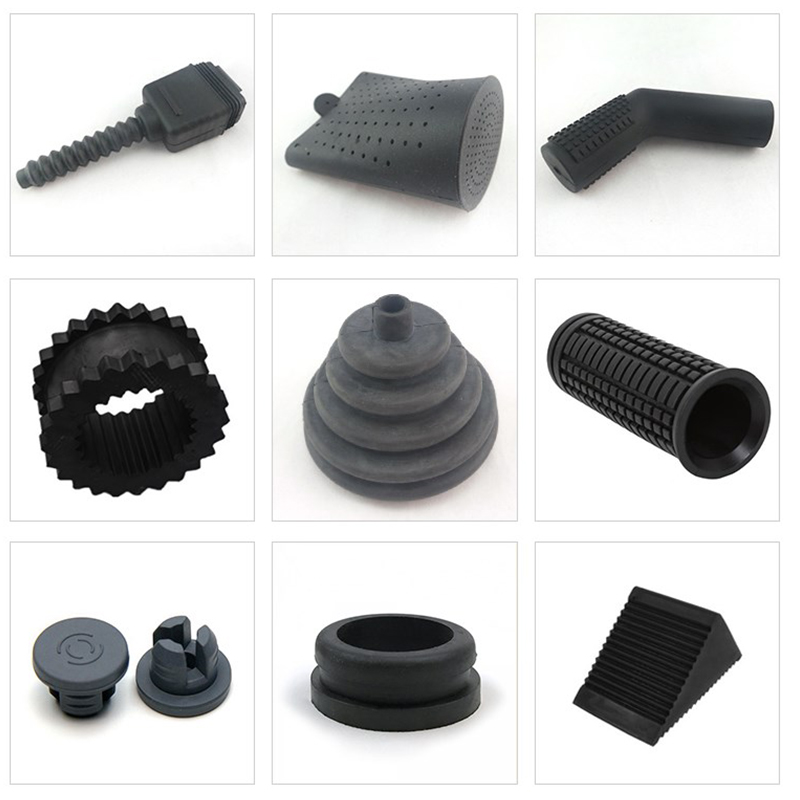
Different rubber components require different packaging approaches. Small, flat rubber washers may be suitable for organized bulk packaging, while irregularly shaped molded parts may need individual compartments or protective trays.
For hollow components, rubber bellows, and flexible sleeves, packaging should help maintain their original geometry without applying unnecessary pressure. Avoid forcing oversized quantities into small bags or containers.
For example, custom molded EPDM rubber parts can have different shapes and wall structures depending on their application. Their packaging should reflect these differences.
Placing heavy cartons on top of rubber components can create continuous pressure on the parts underneath. This may affect thin sections, flexible edges, and precision sealing surfaces.
To reduce this risk:
For large or irregular rubber components, custom inserts can provide additional support and help maintain consistent spacing during transportation.
Packaging materials should be clean, dry, and compatible with the rubber compound. Clean polyethylene bags, suitable cartons, and protective separators are commonly used for rubber component shipments.
However, not all packaging materials are suitable for every rubber formulation. Certain rubber compounds may be affected by contact with incompatible chemicals, plasticizers, adhesives, or other substances.
When packaging sensitive or customized rubber products, material compatibility should be evaluated before selecting long-term contact packaging.
Surface contamination can affect both the appearance and functional performance of rubber components. Dust, oil, grease, metal particles, and chemical residues may accumulate during manufacturing, handling, or storage.
For sealing applications, contamination is particularly important because foreign particles on a sealing surface may interfere with proper installation or sealing performance.
Different elastomers have different chemical resistance properties. For example, NBR is commonly selected for oil-resistant applications, while EPDM is generally suitable for weathering and water-related environments. However, this does not mean that finished rubber components should be exposed to uncontrolled chemicals during storage.
Contact with cleaning agents, solvents, lubricants, and other incompatible substances may cause swelling, surface changes, or material deterioration depending on the rubber formulation.
For this reason, rubber parts should be stored separately from chemicals and industrial materials that could affect their surfaces or physical properties.
Fuste supplies different rubber materials and sealing solutions, including EPDM rubber sealing parts for applications requiring specific environmental resistance.
Dust and small particles can enter open packaging during production, warehouse handling, or transportation. This is a concern for rubber gaskets, O-rings, and other components used in precision sealing applications.
Practical contamination control measures include:
For rubber grommets and similar molded components, suitable packaging helps protect their surfaces before installation in automotive, electronic, and industrial equipment.
Rubber components can gradually change during storage, even when they are not being used. Heat, light, oxygen, ozone, humidity, and contact with incompatible materials can influence the aging process.
Proper warehouse conditions are therefore essential for maintaining the quality of custom molded rubber parts before delivery or assembly.
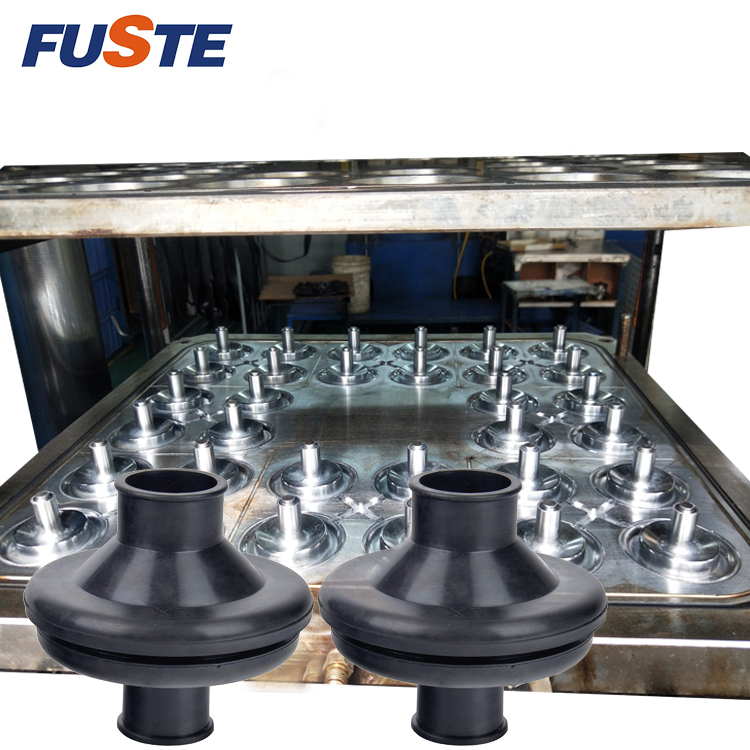
Rubber products should generally be stored in a cool, dry, and well-ventilated environment. Excessive heat can accelerate aging in many elastomers, while direct sunlight and ultraviolet exposure may contribute to surface deterioration.
Keep rubber components away from windows, heating equipment, and other direct heat sources. Follow the storage recommendations for the specific rubber compound rather than applying one temperature limit to every material.
Ozone can cause surface cracking in susceptible rubber materials, particularly when components are under tensile strain. Electrical equipment that generates ozone, such as certain motors and high-voltage devices, should not be located close to rubber storage areas.
Keeping rubber parts properly packaged and away from ozone sources helps reduce unnecessary environmental exposure. Packaging should also be selected according to the material's compatibility requirements.
Excessive moisture can affect packaging materials, labels, and metal components stored together with rubber parts. Although many rubber compounds have good moisture resistance, damp storage conditions can still create problems such as condensation and secondary contamination.
Store cartons on pallets or suitable shelving instead of directly on the floor. Maintain adequate ventilation and inspect storage areas regularly for water leaks, condensation, and damaged packaging.
There is no single packaging solution for all molded rubber components. The right method depends on product dimensions, material characteristics, surface requirements, shipment quantity, and transportation conditions.
| Rubber Product | Recommended Packaging | Main Protection Focus |
|---|---|---|
| Rubber Grommets | PE bags or compartmentalized boxes | Prevent surface scratches and deformation |
| Rubber Gaskets and O-Rings | Sealed bags and clean cartons | Protect sealing surfaces from dust and contamination |
| Rubber Bellows | Individual bags or shaped protective inserts | Maintain original shape and prevent excessive compression |
| Rubber Hoses | Suitable coiling and protective wrapping | Avoid sharp bends, kinks, and crushing |
| Large Molded Rubber Parts | Protective bags, cartons, or pallet packaging | Prevent impact damage and excessive stacking pressure |
For example, rubber gaskets used in static sealing applications may require cleaner packaging than general-purpose protective rubber components. Similarly, flexible bellows should not be packed in a way that forces their folds into an unnatural position.
Fuste's product range includes different molded and sealing components. Buyers can explore rubber product categories to identify solutions based on their application and technical requirements.
For OEM projects, packaging requirements should be discussed during the quotation and product development stages. This is especially important when components have customized dimensions, complex structures, or specific assembly requirements.
Before mass production and shipment, buyers and manufacturers should confirm several details:
For customized orders, packaging can also be evaluated using samples before the full shipment is prepared. This helps identify potential issues with part arrangement, carton capacity, and protection during handling.
Fuste Rubber supports customized rubber manufacturing based on customer drawings, samples, and application requirements. Its product information also identifies PE bags, cartons, and pallets as available packaging methods. For specific packaging requirements, buyers can discuss the details directly with the manufacturer.
Before dispatching custom molded rubber parts, manufacturers and procurement teams can use the following checklist to reduce avoidable packaging and storage problems.
These checks are particularly useful for international OEM shipments, where rubber components may pass through multiple handling and storage stages before reaching the final customer.
Packaging protection starts with understanding the product itself. Material selection, part geometry, manufacturing processes, and final application all influence how a rubber component should be handled and shipped.
Xiamen Fuste Rubber & Plastic Co., Ltd. provides custom molded rubber products for automotive, electronic, telecommunications, and industrial applications. Its product range includes EPDM, silicone, NBR, FKM, and other rubber components manufactured according to customer drawings, samples, and specifications.
From rubber grommets and bellows to molded seals and other customized parts, the company can discuss product specifications and packaging arrangements according to project requirements.
If you are sourcing custom rubber components and need to confirm material selection, product dimensions, or packaging details, contact Fuste Rubber to discuss your project before production and shipment.
Custom molded rubber parts should be packaged according to their shape, material, and surface requirements. Clean PE bags, protective dividers, cartons, and pallets are commonly used. Components with delicate features or sealing surfaces may require individual packaging to prevent friction, compression, and contamination.
Prevent deformation by avoiding excessive stacking, prolonged compression, tight folding, and unsuitable packaging. Store flexible rubber components in their natural position and use suitable protective inserts when necessary.
Common factors include excessive heat, direct sunlight, ozone exposure, oxygen, incompatible chemicals, and unsuitable storage conditions. The actual aging behavior depends on the rubber formulation, so storage recommendations should be based on the specific material.
Different rubber materials can sometimes be stored in the same outer carton, but they should be separated when necessary to prevent contact, contamination, or confusion between product batches. Individual packaging is preferable when material compatibility or surface cleanliness is a concern.
Packaging labels should generally include the product name or part number, material type, quantity, batch or lot identification, and other customer-specific information. Additional handling and storage instructions can be included when required.




 online service


